Photos: Chris Emeott
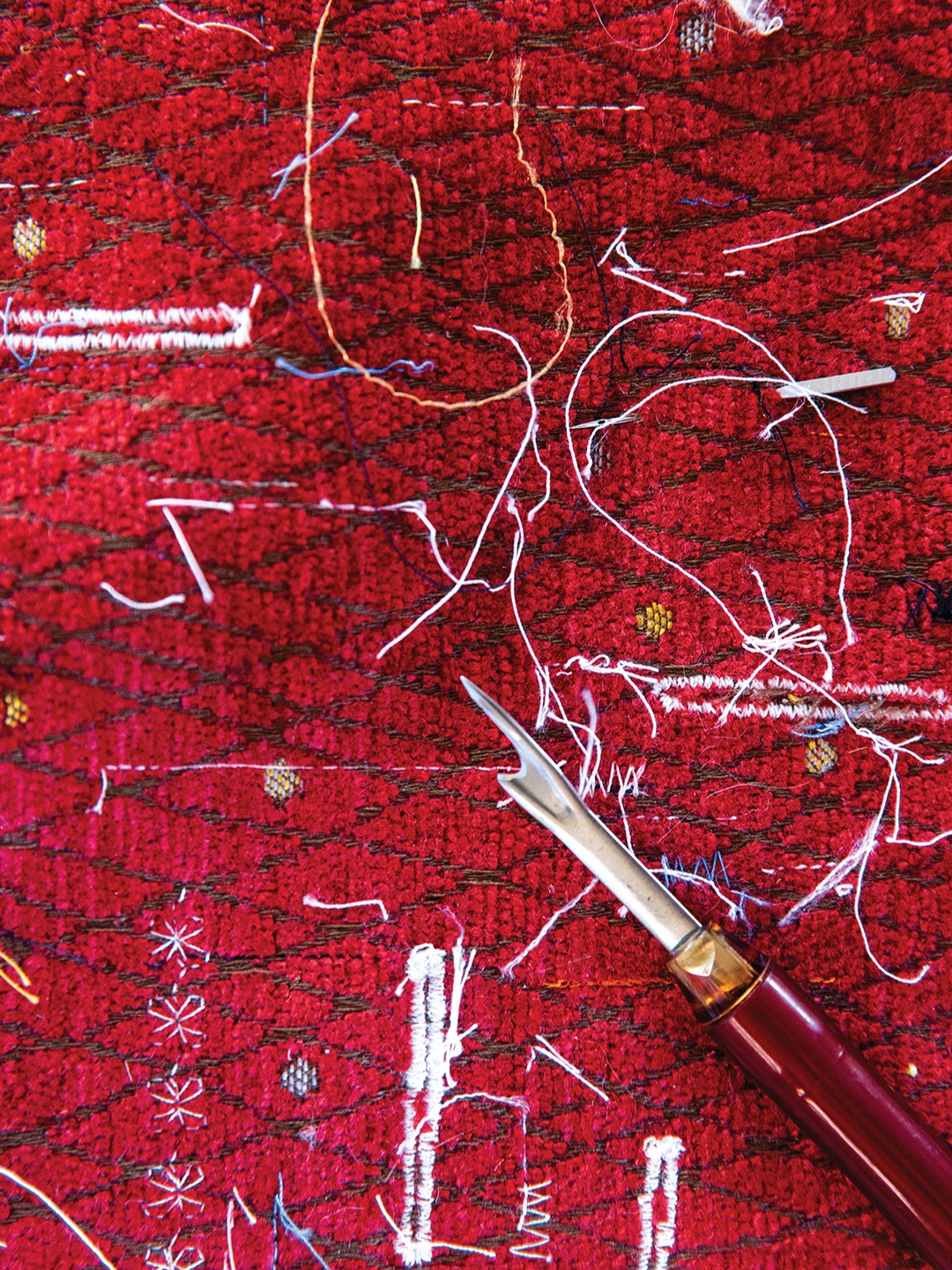
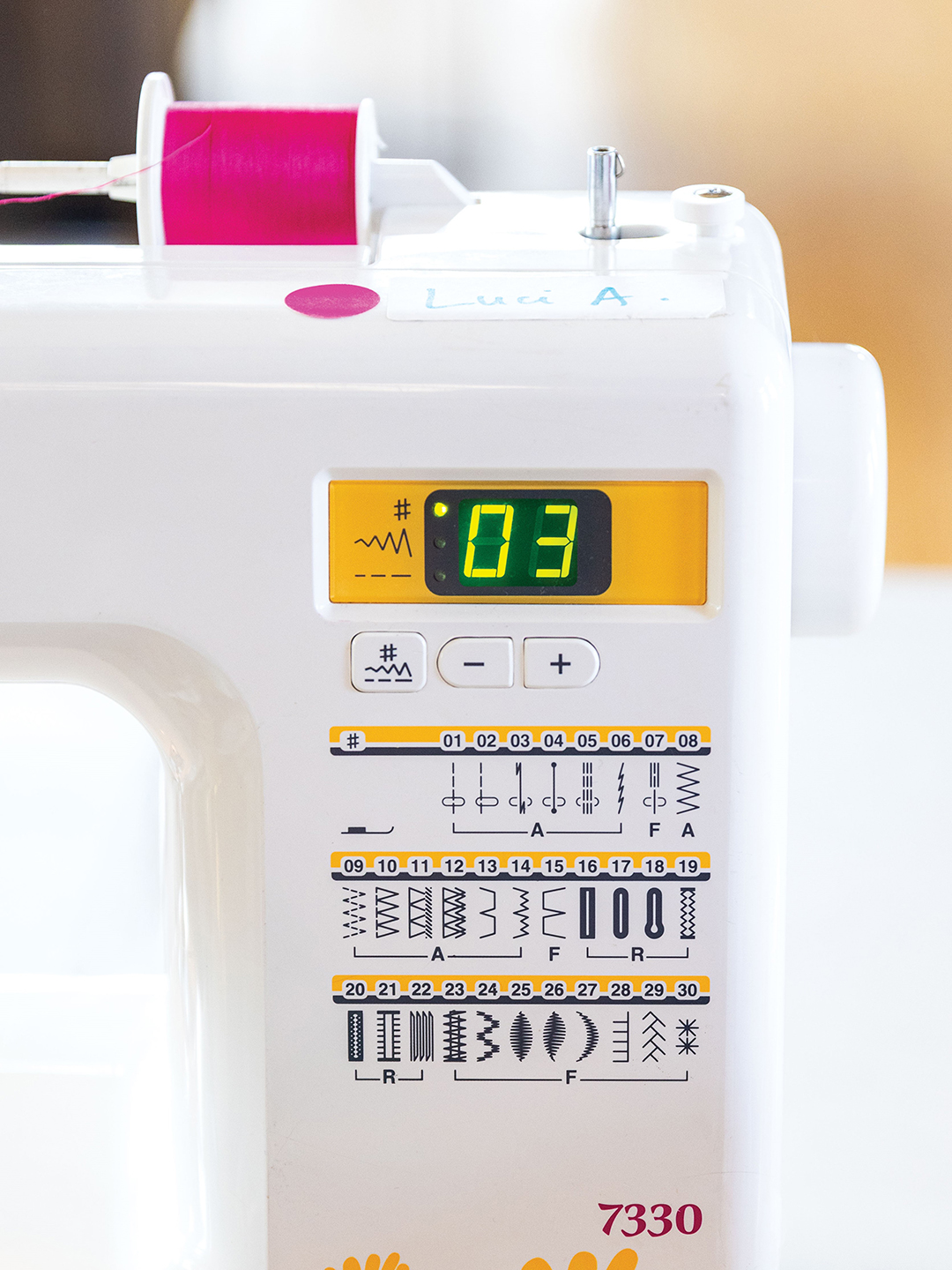
Felicity Britton’s home was a former Masonic lodge. Its grand ballroom now serves as her living room, and one Saturday every month, the steady, soothing hum of sewing machines echoes through the cavernous space. Behind those machines, which range from new to vintage, are volunteers. Some are expert sewists, others are just learning how to thread a machine. Together they chat, laugh and stitch their way through piles of colorful material, slowly creating a stack of vibrant reusable shopping bags—Boomerang Bags—ready to land in stores throughout the city.
Boomerang Bags Minneapolis is a grassroots initiative created by Britton with the hope to curb the use of single-use plastic bags. “We need to stop using plastic where it’s not needed. Plastic for stents and surgical use is great. Plastic for children’s car seats is great. But we don’t need to be using plastics for plastic bags where nearly 100 percent are not ever recycled. You see them on the freeway. You see them in trees. You see them everywhere. I would love people to use reusable bags to replace plastic,” she says.
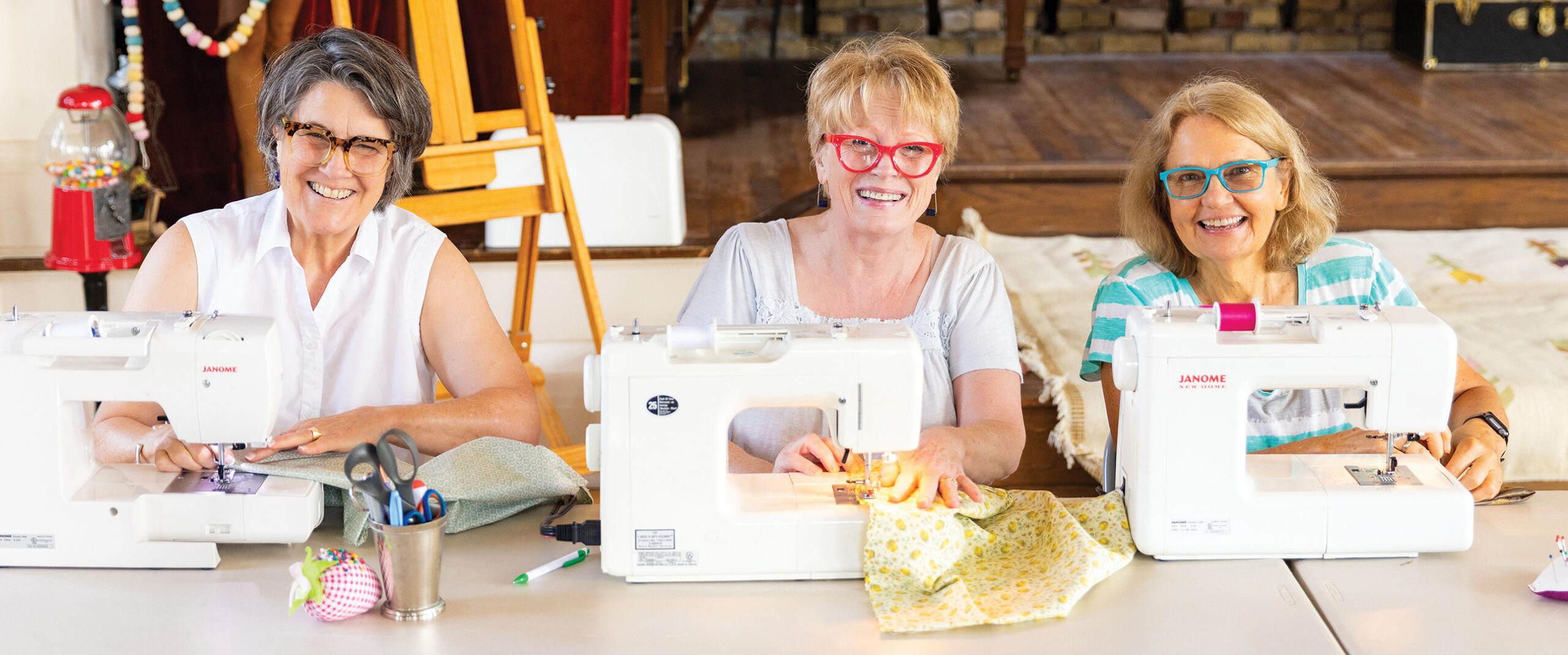
Volunteers Domenica Di Piazza, Margaret London and Velma Wagner.
Britton’s path to sustainable bag-making began thousands of miles away while she was visiting her native Australia, which charges a fee for single- use plastic and paper bags. “A lot of the surf towns or beach towns, they had a box in the main street, and people would do their shopping and always forget their reusable bags. So they had this box, and it’s like, ‘Take one, and then bring it back later,’” she says. “So that was the whole boomerang idea. It keeps coming back.”
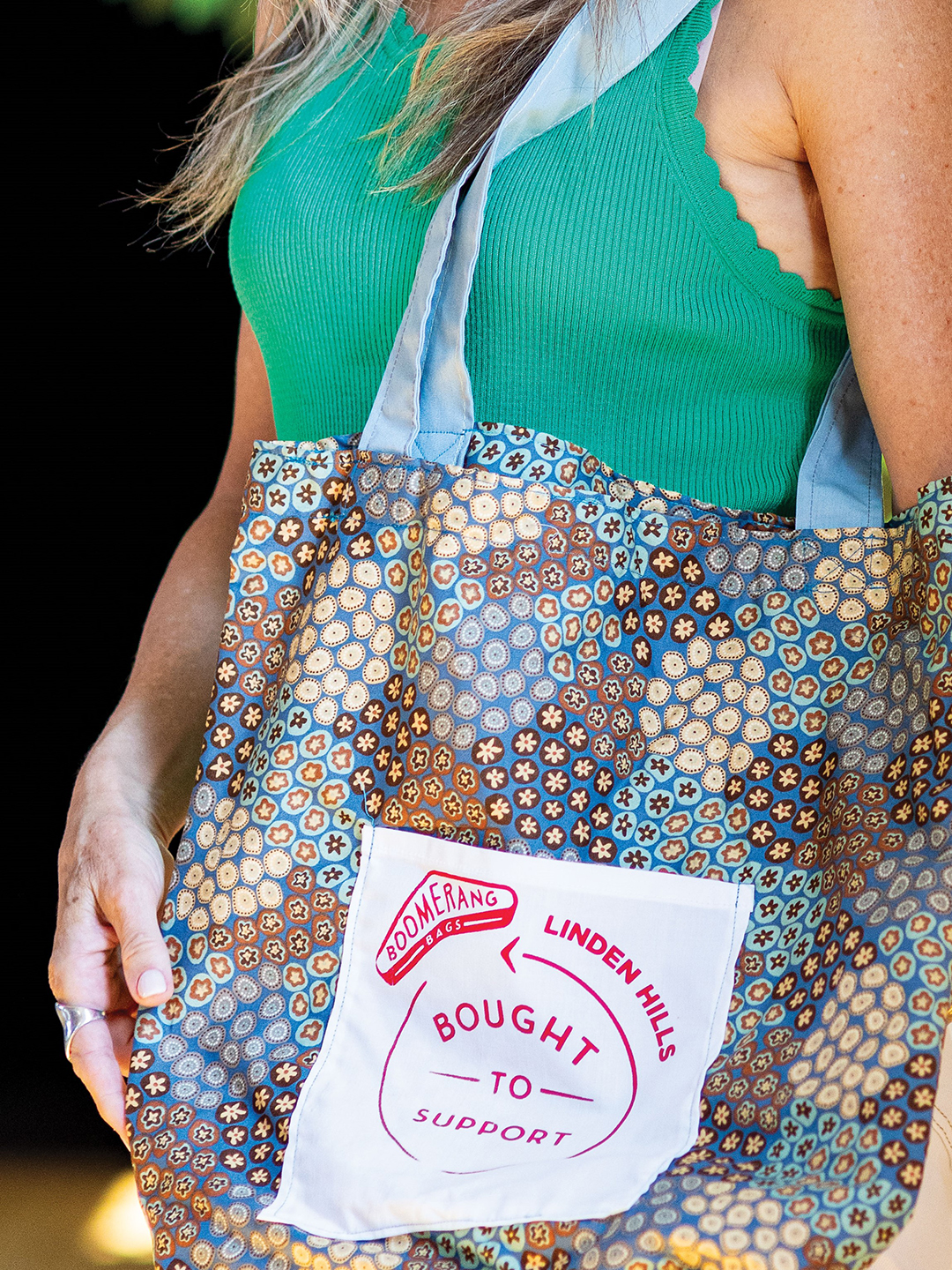
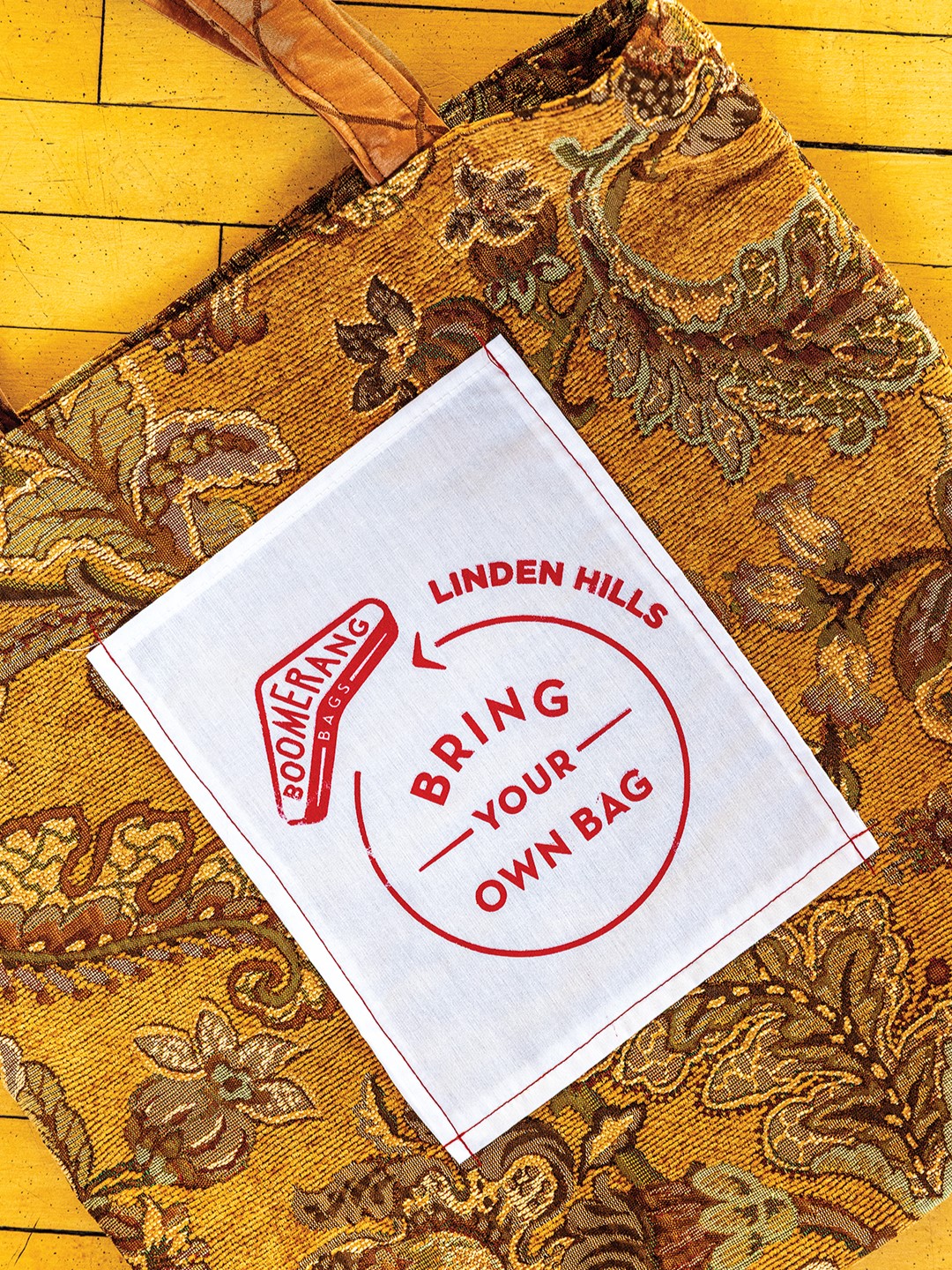
Rather than waiting for someone to bring the idea to the Twin Cities, Britton decided to do it herself. Today, Boomerang Bags Minneapolis operates out of her Linden Hills home. Interestingly, you won’t find Britton sitting behind a sewing machine. She can’t sew. Instead, she coordinates the events and handles another important step in the process: screenprinting the logo onto finished bags, giving each bag a polished and recognizable look before it’s distributed into the community.
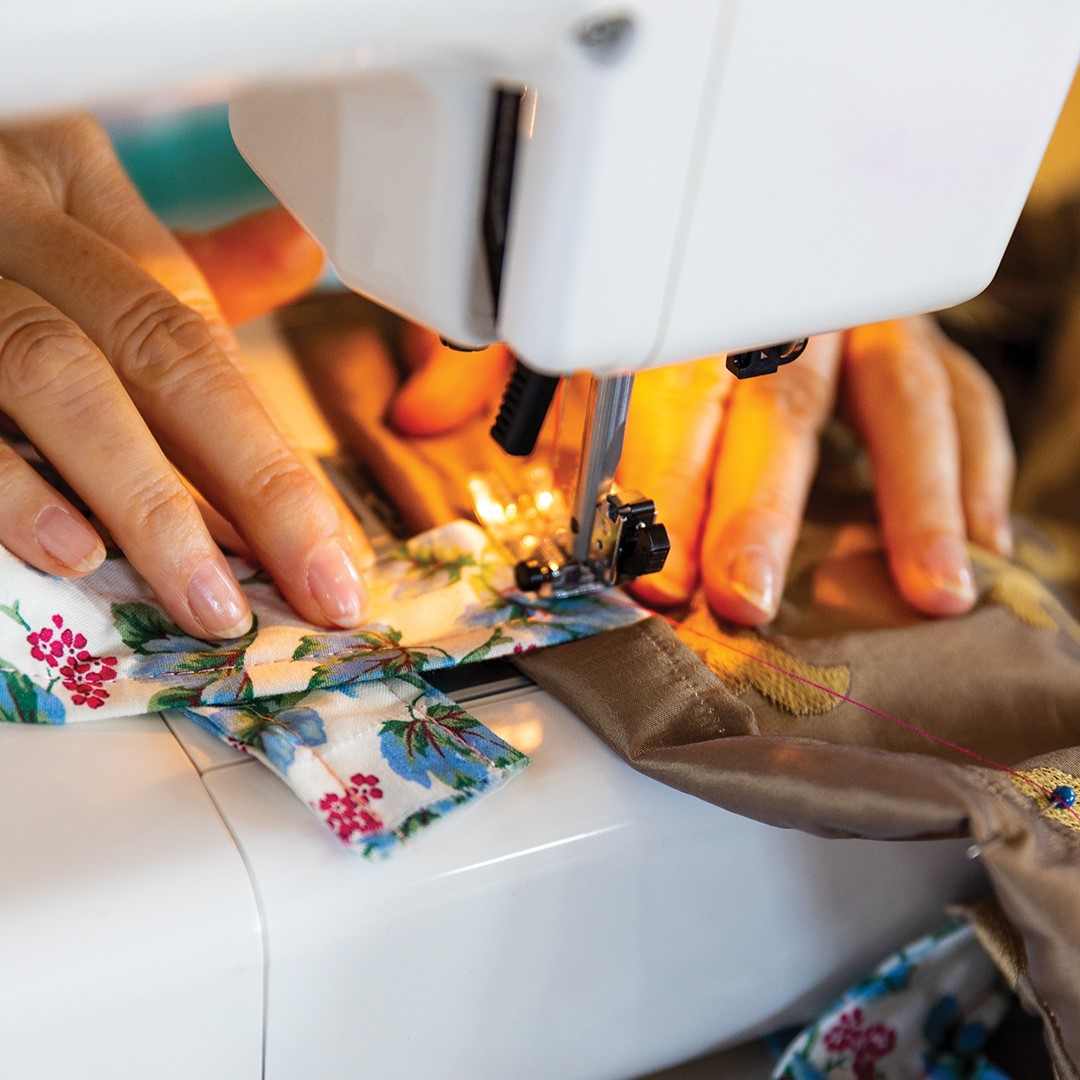
The monthly sewing sessions attract a diverse mix of participants. “It’s all stages, [even] beginning sewers,” Britton says. “I can’t sew at all. I cut. I iron. And I do the screen printing … You know, the two people who started it [in Australia], they also couldn’t sew. They just wanted people to not use plastic, and they thought, ‘Let’s just get people we know who can sew and sew bags.’” Britton also says not to worry if participants’ sewing skills are lacking. “We are not strict quality-control people,” she says. “It’s a free bag. No one is going to be looking at your seams and saying, ‘Something’s crooked.’”
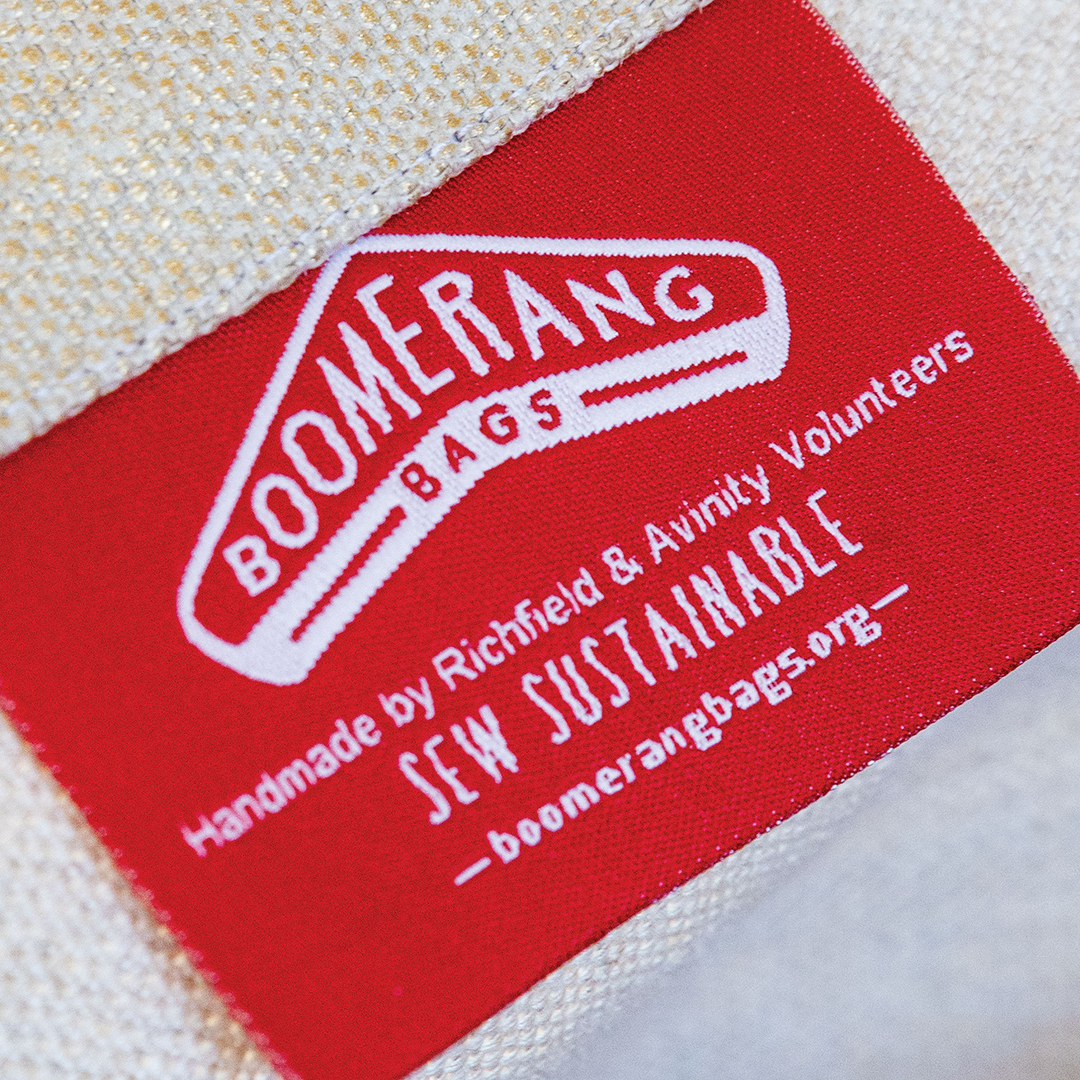
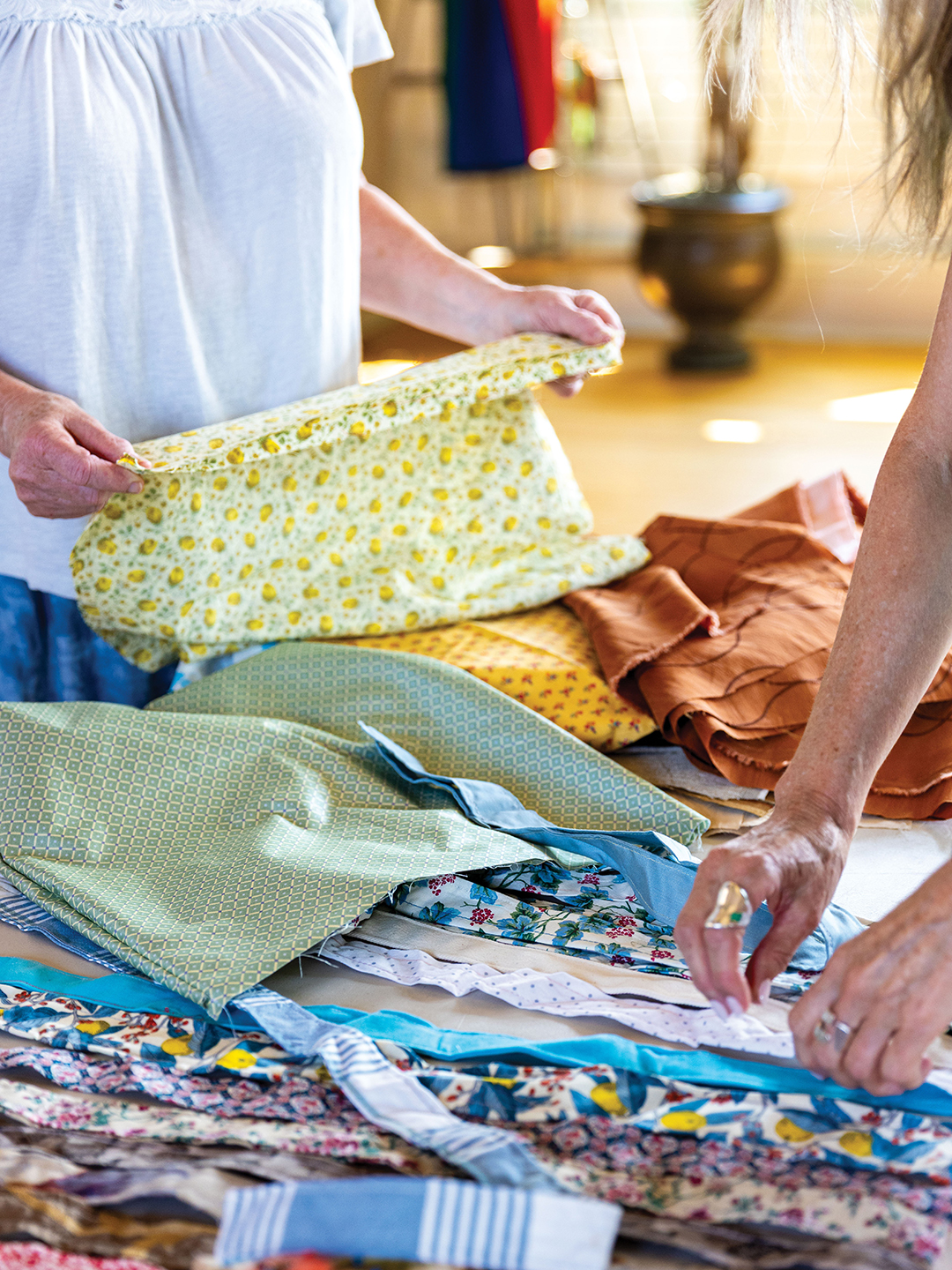
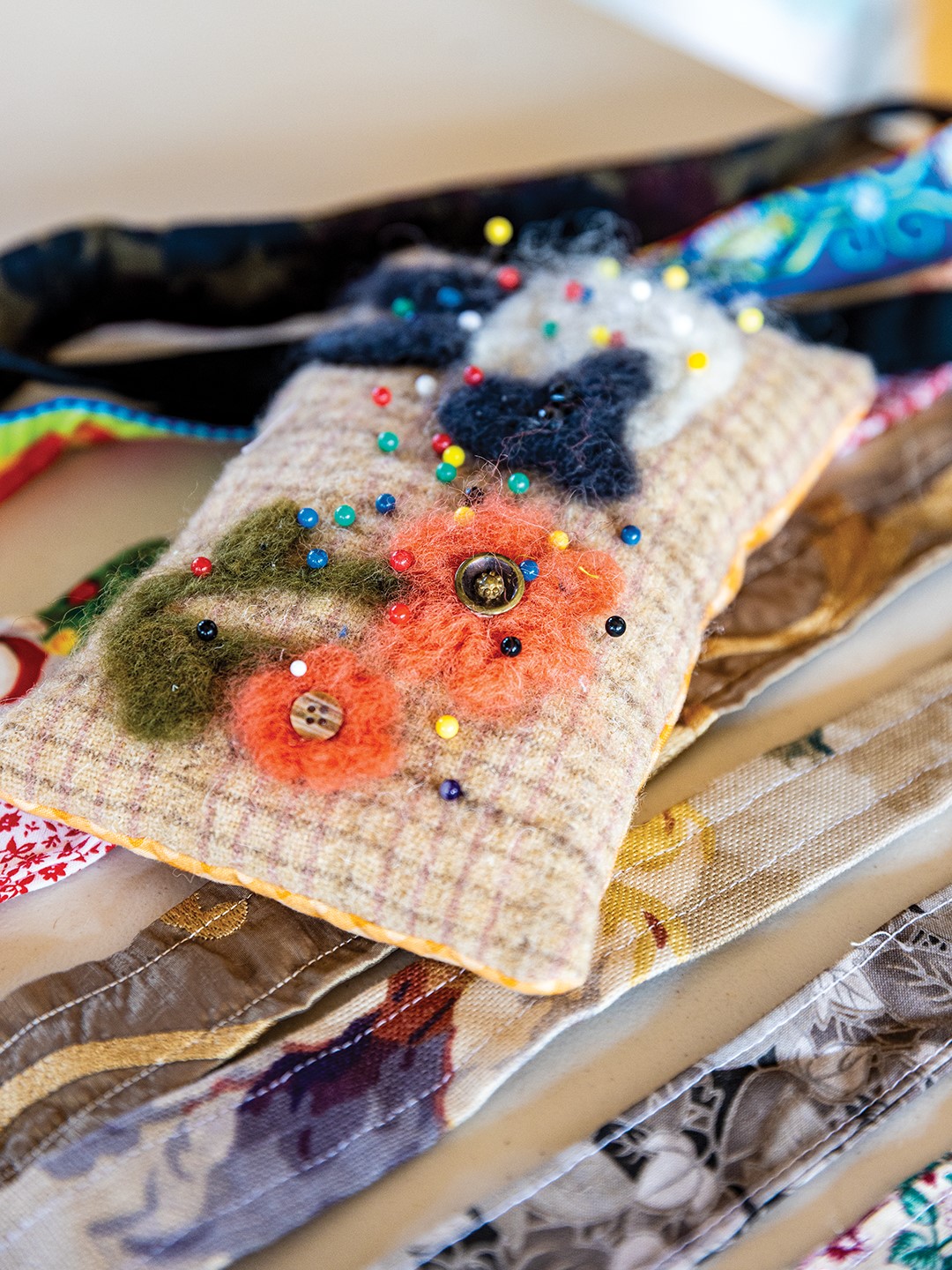
The materials themselves often tell a story. Fabric is donated from a variety of sources, including leftover textile projects and more. “The fun thing about it is, it can be quite artistic,” Britton says. “You’re picking the fabric. I have friend Domenica [Di Piazza] who refuses to sew any fabric that she doesn’t like. Only beautiful fabric that gives her joy. And then you pick the straps to match.”
Britton has a list of 150 sewists, but usually six to 15 show up every month. More volunteers are always welcome, but it can be on their own terms. “I would like to see more people making bags,” she says, adding people can make bags at home, attend one of her Boomerang Bag sessions, or create a group in their area. ”It doesn’t really matter how it happens as long as we’re producing more bags,” she says. Growing the movement is her dream. She would love to help others create more Boomerang Bag groups and is willing to help set up new groups and train volunteers.
Boomerang Bags Minneapolis
Facebook: Boomerang Bags Minneapolis