Photos: Chris Emeott
Simple décor choices can create an elegant space to gather.
Thanksgiving traditions often center around the table, where family recipes are shared and stories of gratitude are exchanged. For Bridget Connell and Marsha Hunt, co-owners of Haute House Studio, those moments of connection are what make the holiday special. The table transforms from the place to serve a meal into the setting for old traditions to live on and new ones to emerge.
“I think it’s a really pure, wonderful holiday where we strip away everything and realize what we’re grateful for,” Connell says. “Then you get to spend time gathering all these traditions that come up through the families and maybe introducing new ones, so it’s tying in the past while you’re enjoying the present.”
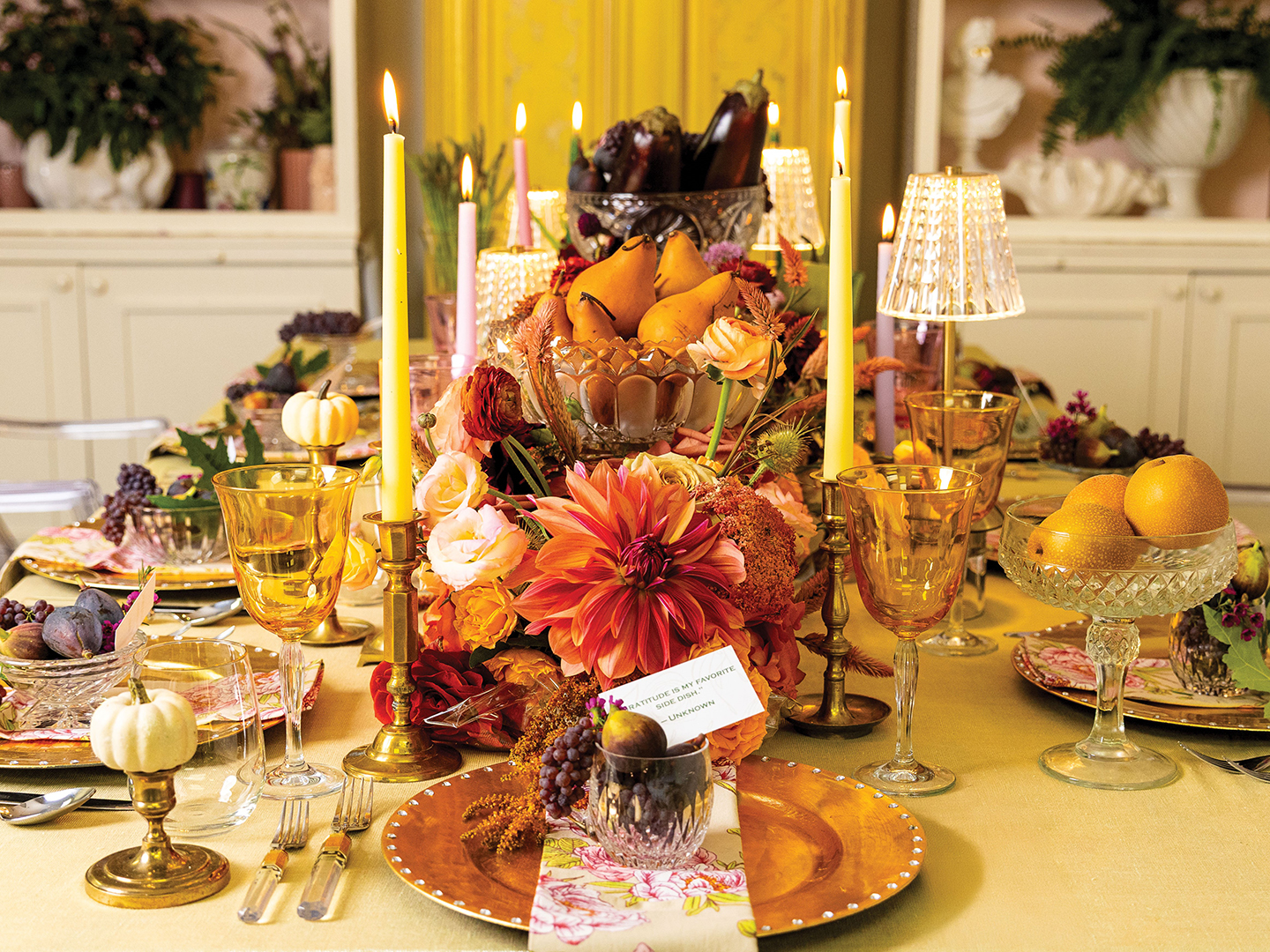
A well-dressed Thanksgiving table feels collected, creative and ready for company.
While many Thanksgiving traditions remain the same year after year, the tablescape offers an opportunity for creativity. A thoughtfully designed centerpiece, as part of the larger tablescape, can transform an ordinary dining room into a warm gathering place.
“The thing that really makes a difference for your Thanksgiving table is doing some thoughtful floral, décor and tablescaping,” Hunt says. “It’s telling your guests, ‘I care about you, I value you and I want to make this special because you’re important to me.’”
Consider these step-by-step instructions for the first steps in designing a Thanksgiving centerpiece that feels memorable.
Start With Color
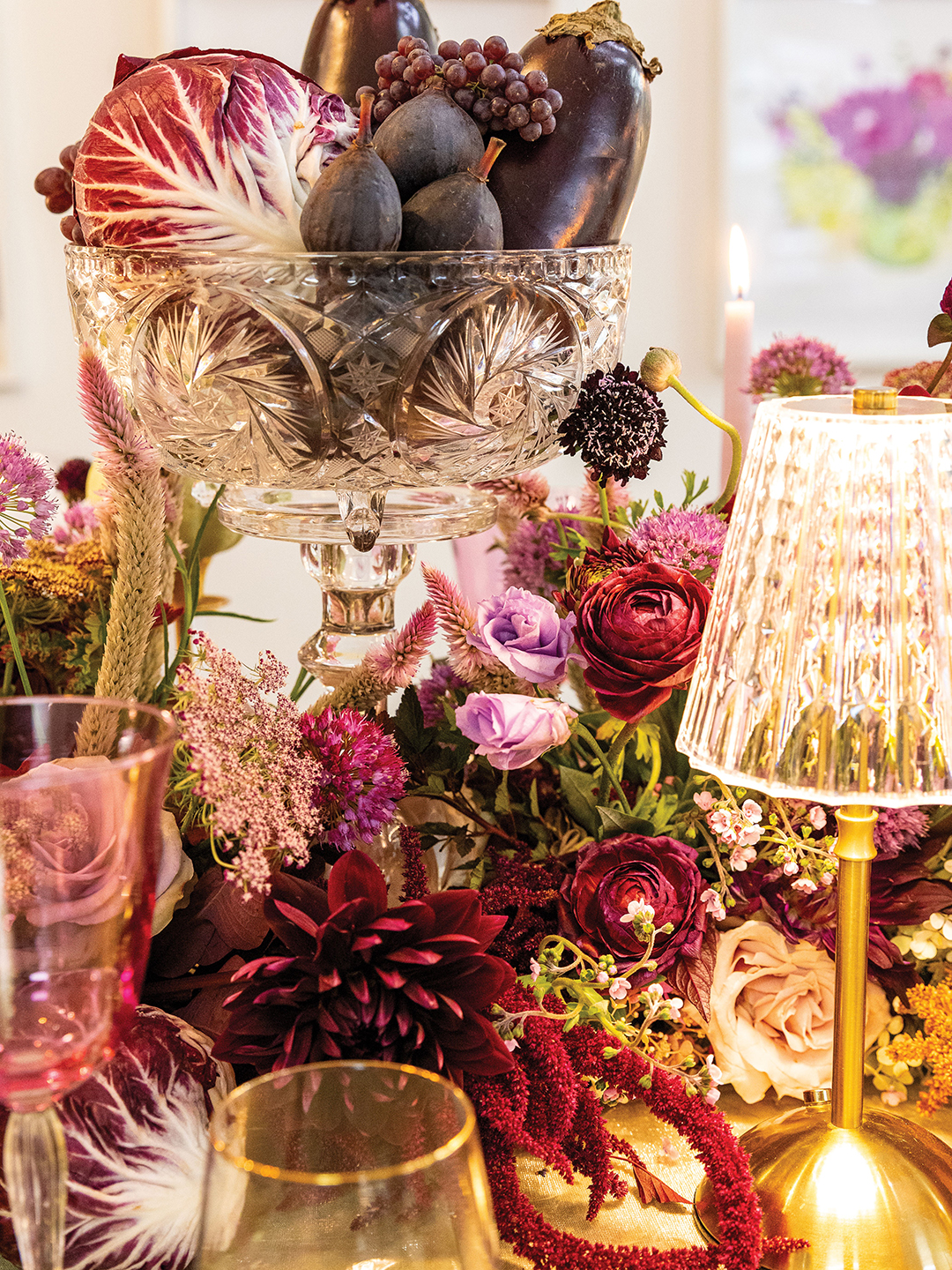
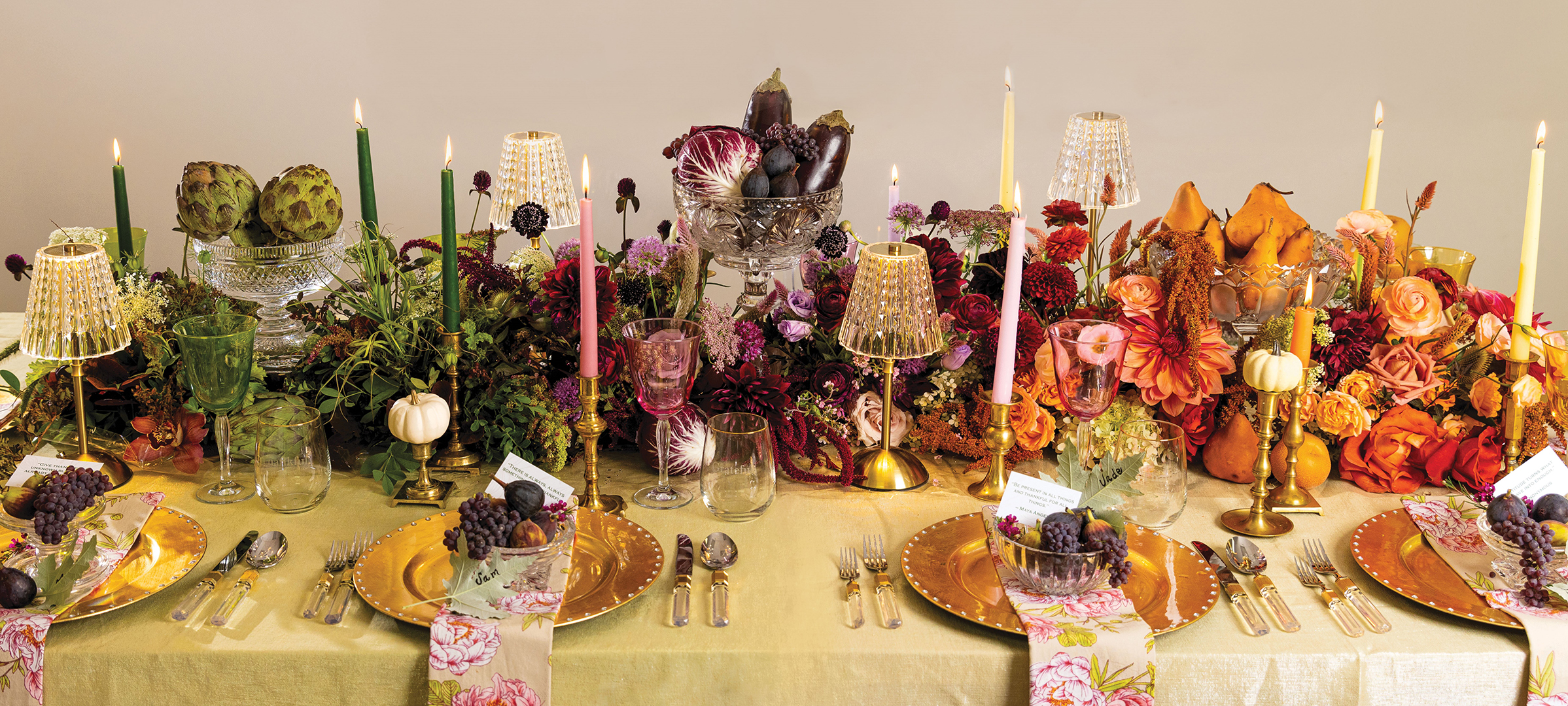
The natural beauty of a mix of flowers, greenery and seasonal produce brings a sense of abundance to the tablescape.
Before selecting flowers or décor, decide on the overall feeling you want the table to convey. Whether you prefer traditional autumnal colors or want to add a splash of personality, start planning your centerpiece with the color palette you prefer. Seasonal fall colors with neutrals, browns and oranges are perfect for traditional decorations with gourds and pumpkins. But don’t be afraid to throw in colors that fit your personality—it’s important to connect your décor to suit your own style.
“In addition to the fall orange colors, we bring in burgundy, aubergine, some of the different shades of terracotta,” Hunt says. “So really it’s just layering with some companion colors that can really elevate the traditional fall and Thanksgiving colors.”
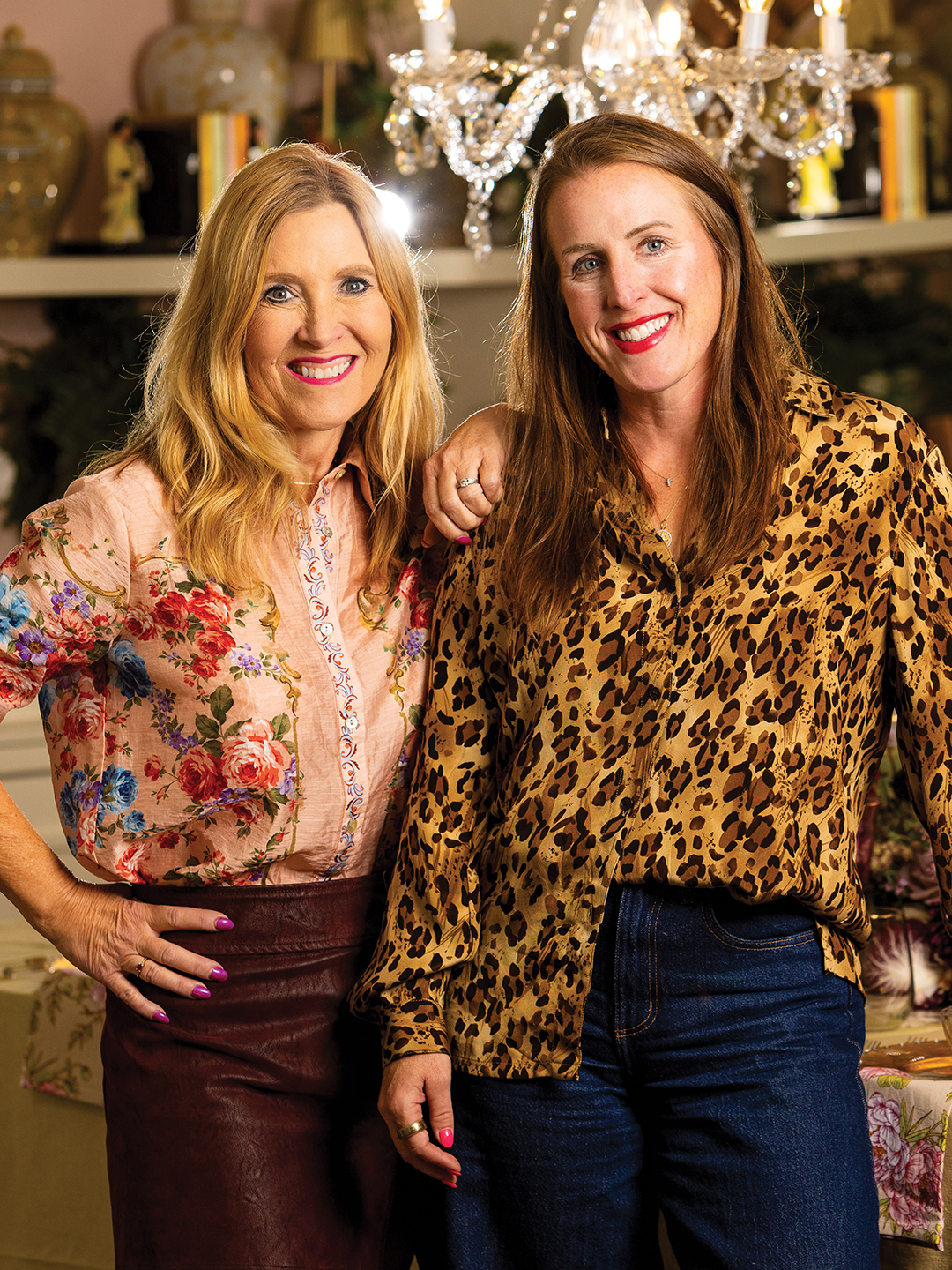
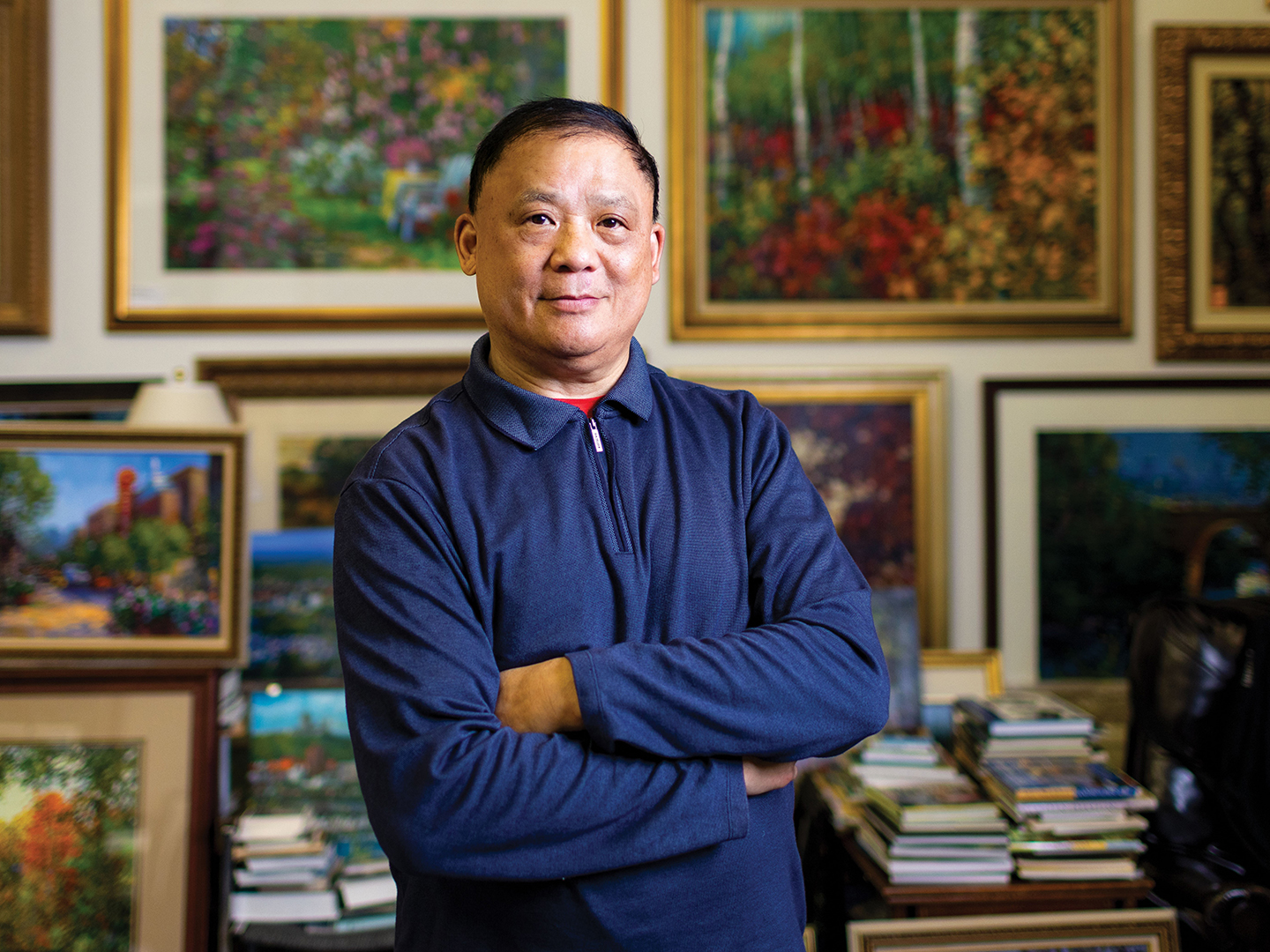
Marsha Hunt and Bridget Connell, co-owners of Haute House Studio.
Consider Flowers, Foliage and Food
Flowers are often the focal point of a centerpiece, but Connell encourages hosts to choose flowers you genuinely enjoy rather than simply following traditional expectations. Seasonal flowers are a natural choice, but adding personal favorites can make the arrangement feel more intentional. The team suggests incorporating roses, hydrangeas and even ornamental kale. “Flowers are meant to be temporary, just like food,” Connell says. “They’re meant to keep you in the present and to be enjoyed for that minute. So it’s kind of a reminder to stay present, be in the moment, enjoy the things around you. It elevates it and showcases how special that time is.”
Preserved fall foliage is another option for hosts looking to extend the life of their décor beyond Thanksgiving. “They’re real leaves, but they’re treated to last without drying out and getting crinkly,” Hunt says. “And they’re in those beautiful fall colors.”
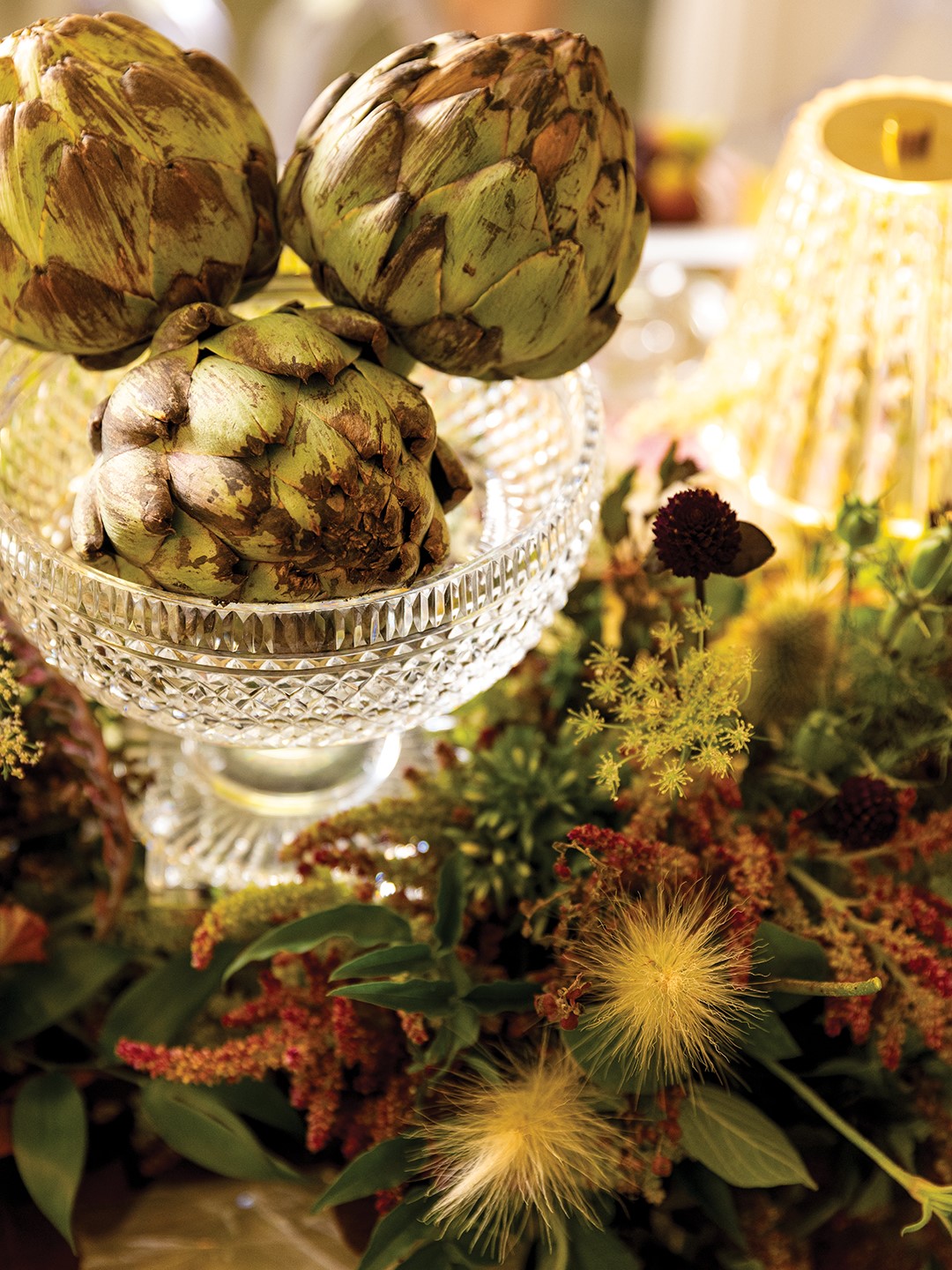
Using greenery can add tone and texture and bring a centerpiece to life. For a simple twist on greenery, use fresh herbs. “Not only are they beautiful and textural—like rosemary, sage and thyme—for fragrance, those are all awesome,” Connell says. “A lot of times, those are incorporated into Thanksgiving recipes, so you get all those different senses that are activated with your scent, your taste, your sight. Incorporating some of the ingredients that you might put into your foods, too, is a really pretty way to tie it all together.”
One trend the Haute House team is incorporating is decorating using food. For example, add in artichoke to your typical autumnal color palette, or if you opt for a splash of purple in your décor theme, add plums or eggplants. These edible elements add color, texture and an unexpected seasonal touch while making another connection between the décor and the meal itself.
Add Accessories to the Tablescape
While florals are the heart of a centerpiece, adding in extra pieces can tie the tablescape together. Lighting is a simple way to create ambiance, and cordless LED lamps or candles offer two options to add a visual piece while also being functional.
Connell also encourages hosts to think beyond a traditional vase to serve as the centerpiece vessel. Antique vases, cake platters, family heirlooms or wooden bowls can serve as the foundation for a centerpiece while adding a personal touch to the table.
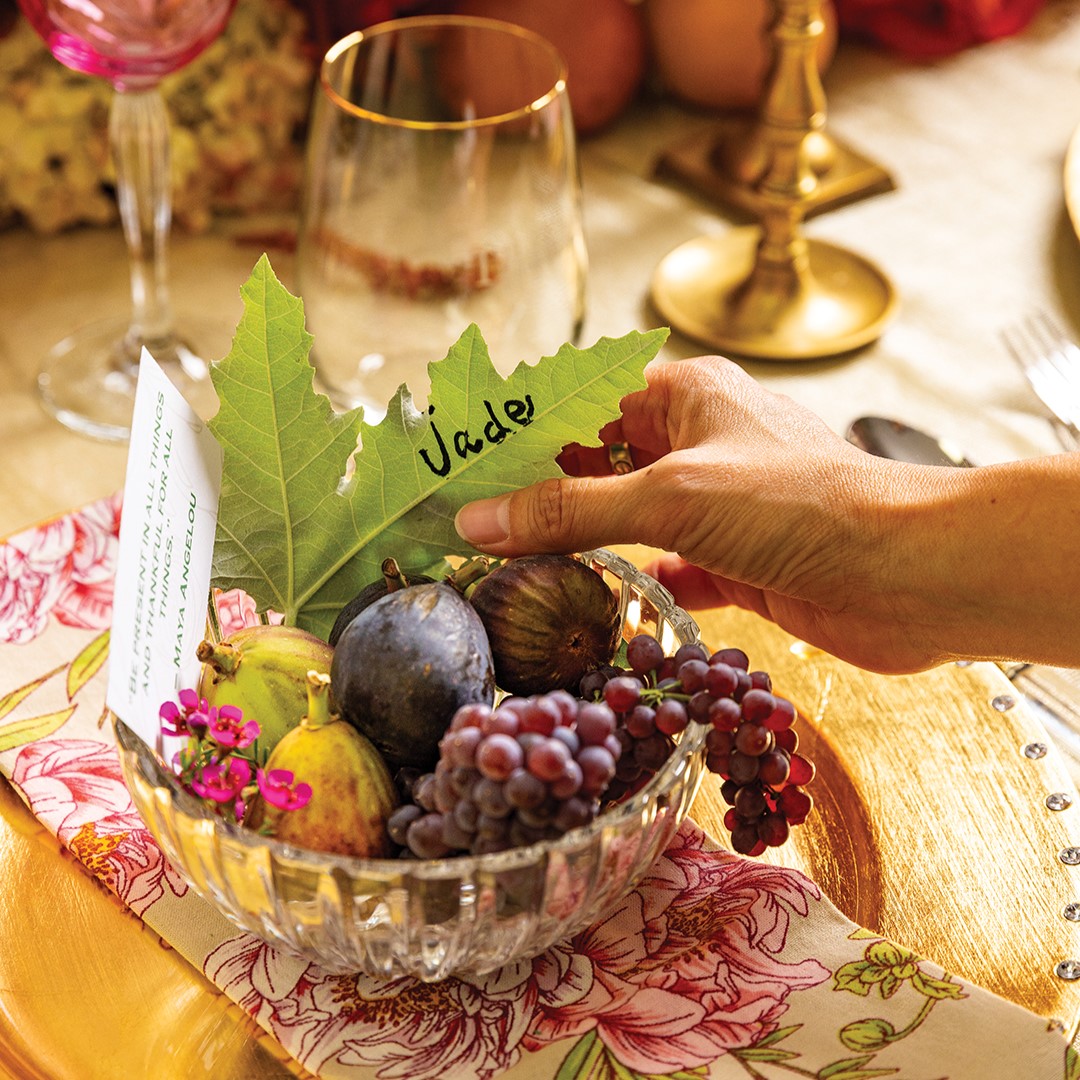
Replacing paper place cards with leaves is an elegant and unexpected way to welcome guests to the table.
Additional accessories, like ribbons, can be a beautiful addition to a Thanksgiving table, but they might best be suited for the supporting tablescape and not the centerpiece itself. “There are so many great fresh things to use in a centerpiece, whether it’s food, foliage or flowers, that I think ribbons are a really beautiful way to add to some of the décor, whether it’s around a candlestick or napkin,” Connell says. “That’s where I’d like to see some of that textural fabric more in those places and less in the fresh floral piece.”
The use of chargers, cloth napkins or ribbons is also a good way to introduce a supporting color that’s not common in flowers or foliage. If your chosen color palette includes blue tones, this is a great place to add that additional color.
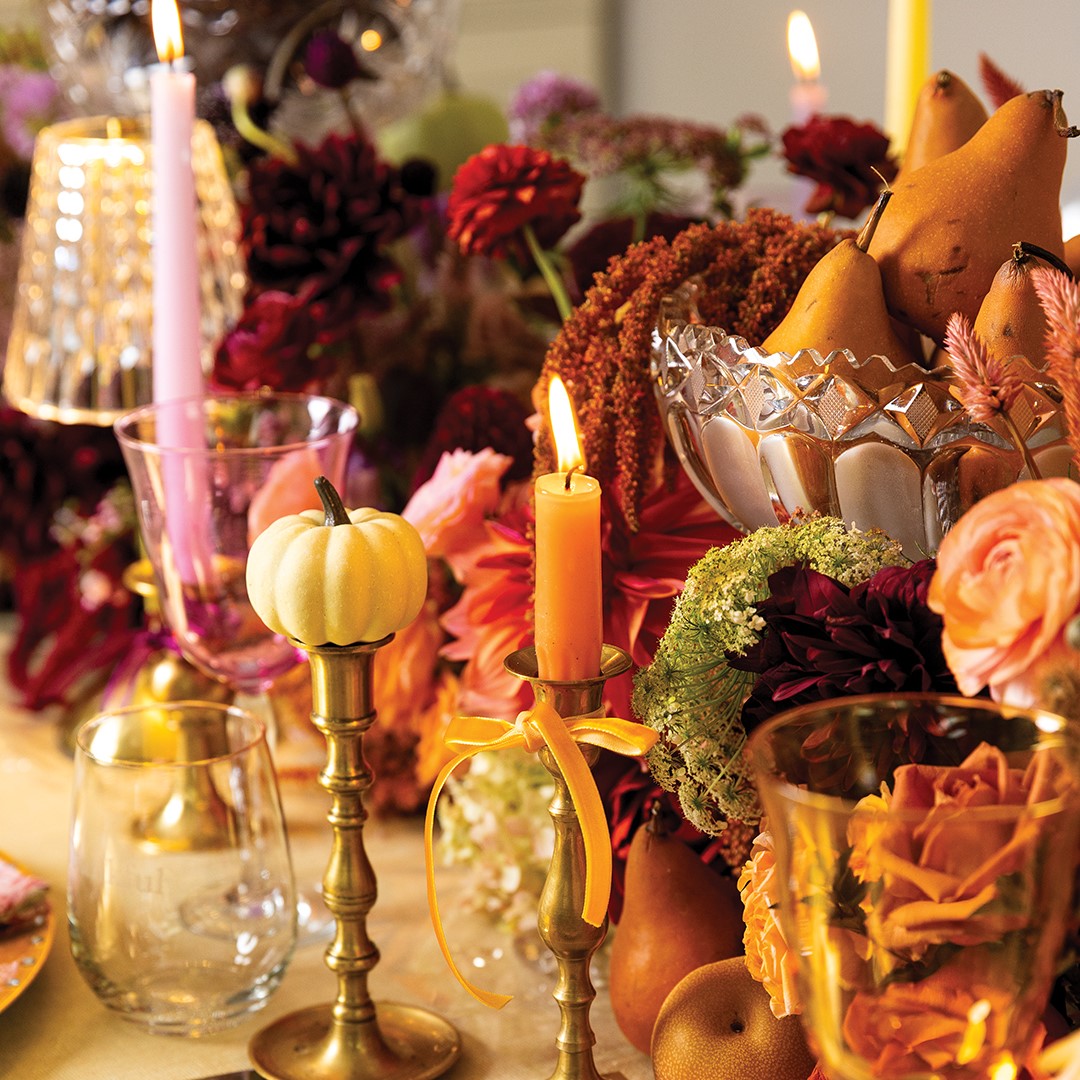
Adding ribbons is a simple touch that helps carry a color palette.
Finally, personalized place cards are a thoughtful option to make guests feel special. Hunt suggests writing names on magnolia leaves, miniature pumpkins or using seasonal fruits, such as pears, as name card holders.
Remember the Purpose
Ultimately, the best Thanksgiving centerpiece is going to be the one that’s most memorable to and reflective of those sitting around the table. At the end of the day, guests aren’t likely to remember every decorative detail. Instead, they’ll remember how the gathering made them feel. “Anytime you make something with your hands with the intention of showing someone that you love them, you can’t make a mistake,” Connell says.
Haute House Studio
Instagram: @hautehousestudio